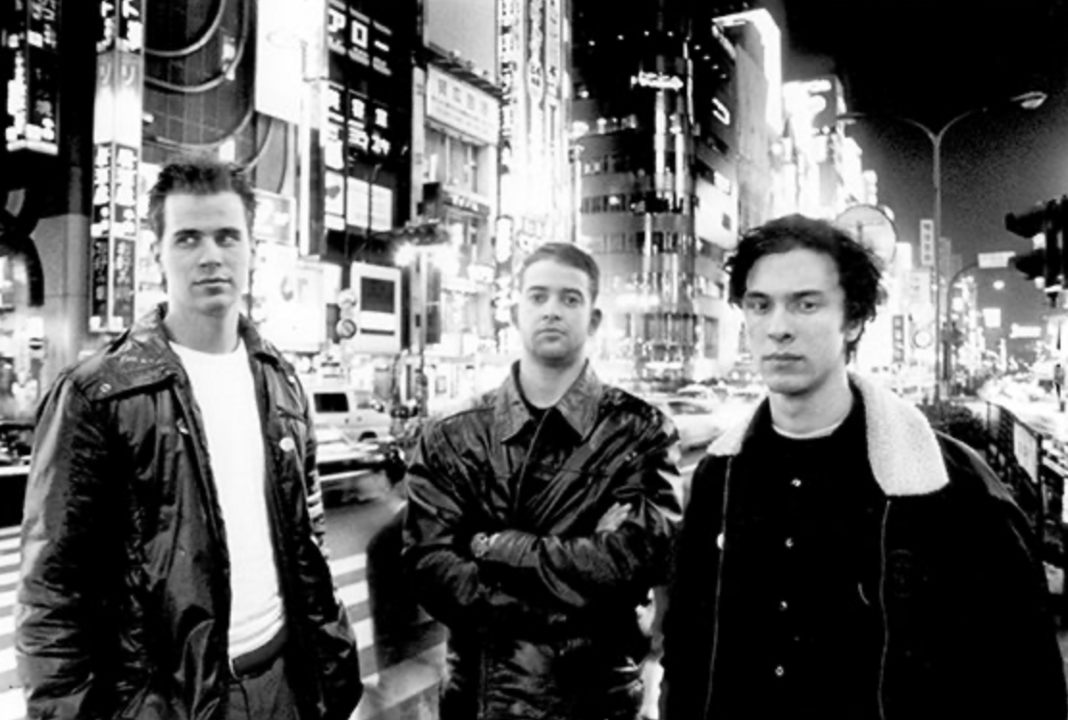
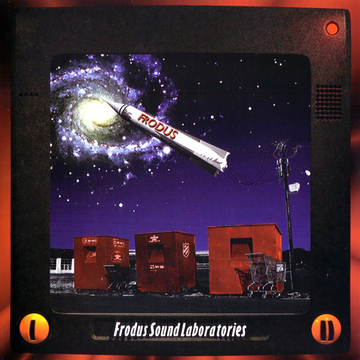
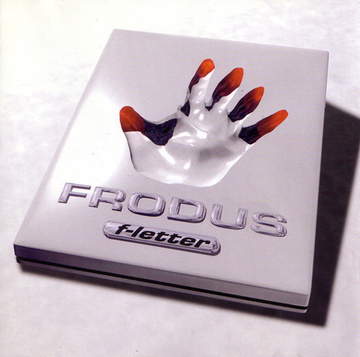
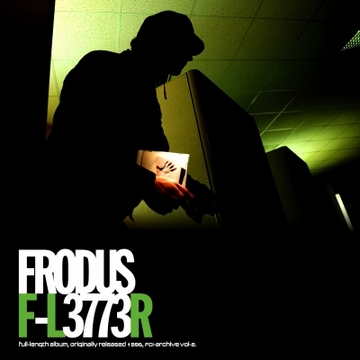
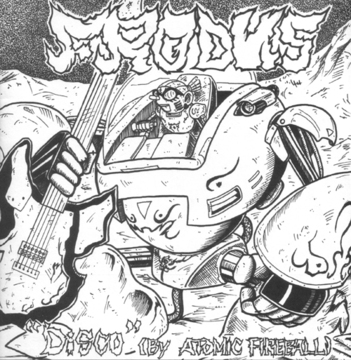
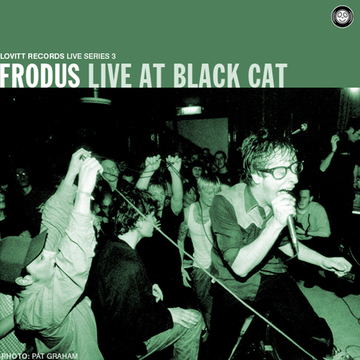
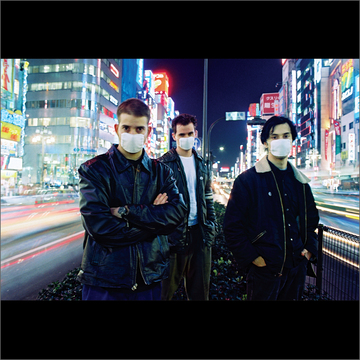
Frodus was formed in Washington, D.C. in 1993, founded by vocalist and guitarist Shelby Cinca and drummer Jason Hamacher. The band built its early following the hard way, self-releasing cassettes and 7"s and touring relentlessly through the American underground booking their own shows and playing in basements, clubs, and abandoned apartments. Their sound, which they called "spazzcore," fused math rock precision with hardcore punk ferocity and lyrics fixated on corporate dystopia, technology, and a creeping sense that things were heading somewhere bad. They were right, but nobody was quite ready to hear it yet.
After cycling through several bassists, the lineup solidified with Nathan Burke, and the band briefly signed to Seattle's Tooth & Nail Records whilst the label explored music outside of their normal realm, releasing Conglomerate International in 1998. They toured with Refused on the band's final run through the US, two bands burning down the same house from opposite ends. The FCI was in the process of signing with Sub Pop and preparing to tour with At the Drive-In when they decided to stop. Before dissolving in 1999, Cinca, Hamacher, and Burke channeled their anger, confusion, sorrow, and disillusion into one final record. And We Washed Our Weapons In The Sea was recorded that year but sat without a home for two years after NYC's MIA Records collapsed before it could be released. Eventually old friend Tony Weinbender at Fueled By Ramen stepped in, and the album came out in 2001. It spread quickly online, finding an audience that hadn't existed when the band was still together. Thank you Napster.
The members moved on to other projects. Then in early 2009, with America in economic freefall and the reissue of
Conglomerate International on double vinyl via Gilead Media providing a focal point, something unexpected happened. The Swedish Embassy in Washington, D.C. had flown in the Division of Laura Lee to celebrate Swedish denim. During the first song, the PA died and the band's equipment failed. Enraged, they threw their instruments and walked off, leaving a wall of feedback. Cinca and Hamacher were in the room. A friend pushed them toward the stage. Hamacher sat down and played the drum intro to their track "Invisible Time Lines." An old friend picked up the bass. When Cinca started playing guitar, the crowd imploded. The spontaneity and chaos of that moment was exactly the energy that was Frodus.
Soon after, Cinca and Hamacher reconvened in Hamacher's Washington basement to attempt a set list from 1999. A photo went online. Within hours they had a SXSW offer. Burke's schedule didn't work, so Hamacher reached out to Liam Wilson of the Dillinger Escape Plan. After devastating SXSW, a handful of east coast shows, and a festival (with Jake Brown on Bass) in St. Feliu, Spain, this incarnation of the Frodus became unofficially known as Frodus Escape Plan, recorded one
7", and faded back into mist.